Thread #2966103 | Image & Video Expansion | Click to Play

File: Untitled.jpg (828.3 KB)

828.3 KB JPG
Generic 3-speed ceiling fan circa 80s or 90s makes buzzing noise at highest speed. I don't know what brand this is, I don't have a model number, but hopefully it's a similar enough widespread design.
It makes excessive motor noise at the highest speed only. It sounds likely electric, like a buzzing, and it's definitely not the usual "motors just make noise" thing. It's something intrusively loud, and the noise seems to come and go some days, due to indeterminate factors.
It's also not balanced, and is not grounded properly, but I don't know how likely that is to cause what I'm hearing.
25 RepliesView Thread
 Showing all 25 replies.
>>
>>

are you at all technically inclined? if so you can test the run capacitor with a multimeter that also tests capacitance (should be a black box with 2 to 5 wires coming out of it) 90% of the time the diagram of what values each capacitor should be
>>
>>
>>
>>
>>
>>
>>
>>
>>
>>
>>
>>
>>
>>
>>
>>
>>
>>2966103
Absent further information, I'm thinking it's probably a failed bearing. Try turning it off and spinning it fast by hand. If you still hear the noise, it's a physical problem. If not, may be something electrical.
Could also be that the motor has to work too hard to spin it at high speed due to bad bearings or general filth.
I can state from personal experience that old fans do benefit from periodic maintenance, which entails partial disassembly and cleaning. Doesn't take too long, look up a video on YT.
>>
>>2966103
>old ceiling fan crackles
>oh fuck wtf now, open to fix, everything looks alright
>it literally sounds like sparks going off
>I remember I use to unscrew the light bulbs because the switch died like a decade ago
>unscrewing bulbs until they turned off left a tiny gap just enough for them to spark
kek
>>
File: 1752751883877023.png (205.4 KB)

205.4 KB PNG
>>2966106
for that price you can just buy a new fan
>>
File: IMG_20260129_101542.jpg (253.7 KB)
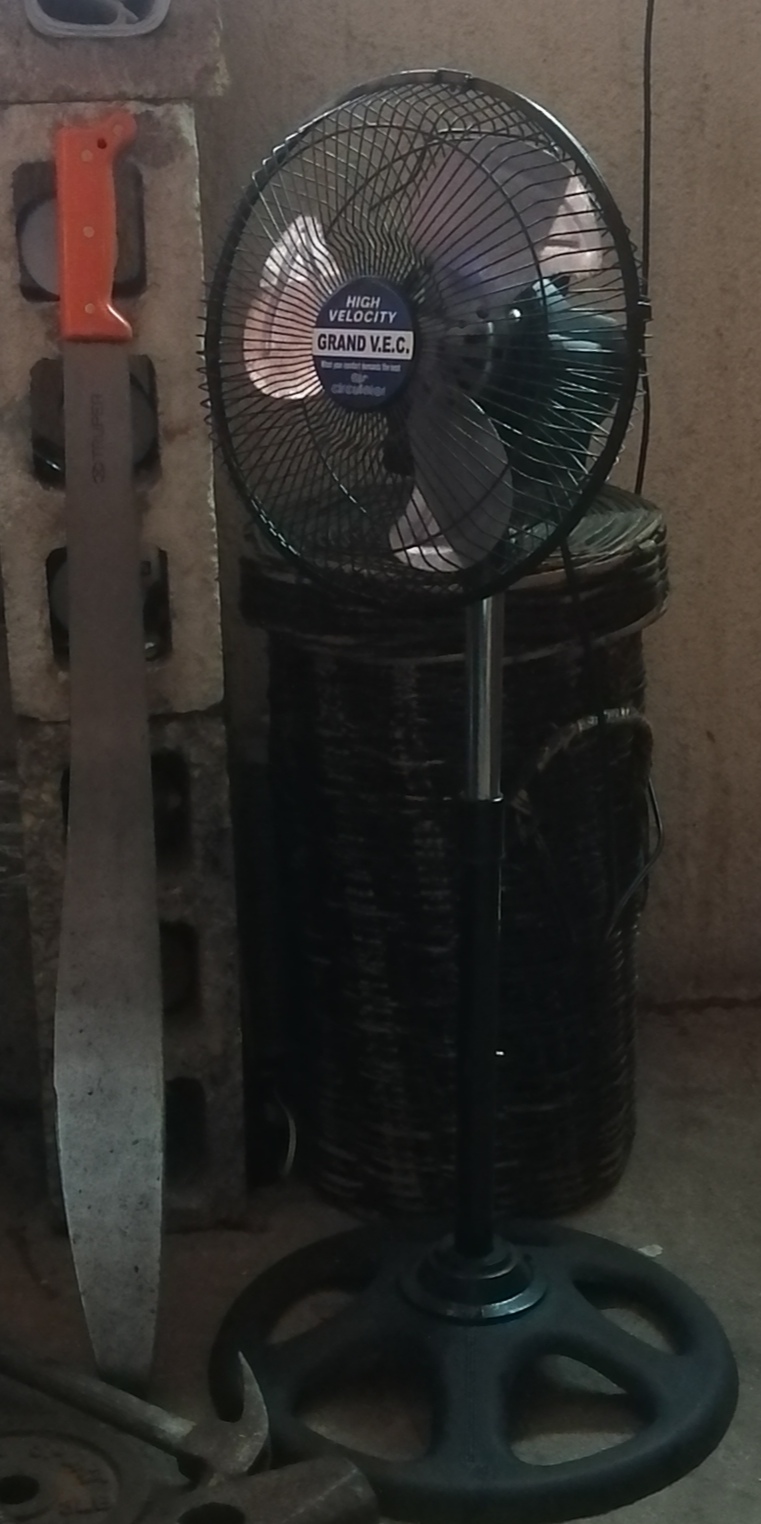
253.7 KB JPG
>>2966103
Just like said >>2966404
The issue maybe could be the bearing where the rotor spin at.
A few weeks i go i found this stand fan(pic related) outside a store so i took it to home. When i did plug it to the electric outlet the fan didn't spin and i did hear a bzzzzzz sound, so i applied oil to the shaft of the rotor and the fan came back to live and the buzzing stop!
So yeah the issue it was the bearing(the fan was covered in dust). I still without fix it 100% at all because i can't remove a screw of the motor in order to get access to the bearing to apply grease because the oil don't last a lot due the spinning of the motor the oil is tossed outside due the centrifugal force of the spinning, so 'electric motor bearing grease' is need it to fix this, oil is just temporal solution.
Sorry if you had a stroke trying to read my pist, im ESL.
I hope i have helped
>>
>>
>>2966103
AC motors have a slip rating. Which literally means the rotor and stator aren't synced perfectly with the 60z AC. Rpms should be multiples of 60, but since they slip rpm ratings are slightly less than theoretical. IE an AC condenser fan motor would a theoretical rpm of 1200 and actual rpm of 1075.
The electrical noise is magnetic and electrical fields interfering with each other because of the slipping. It's probably worse at the highest speed because something is causing excess friction or load. IE dust and dirt buildup on the bearings, dry bearings, or even the fan blades warping.
Try holding the fanblades still and turn the fan on, it should make an electrical buzzing noise. Compare that noise to what you've been hearing to see if it's actually the motor. And try greasing it like the other anon.
>>
>>2966103
Is that a Hunter? That would make it an expensive brand.
At that age, I would immediately assume friction. It must have decades of dust caked inside it.
If you want it to run forever, you could take it apart, clean it, and potentially replace brushes if needed.
If you just want it to keep moving but shut up, a bit of sewing machine oil might be cheap and effective without taking it apart or down.