Thread #108030992 | Image & Video Expansion | Click to Play

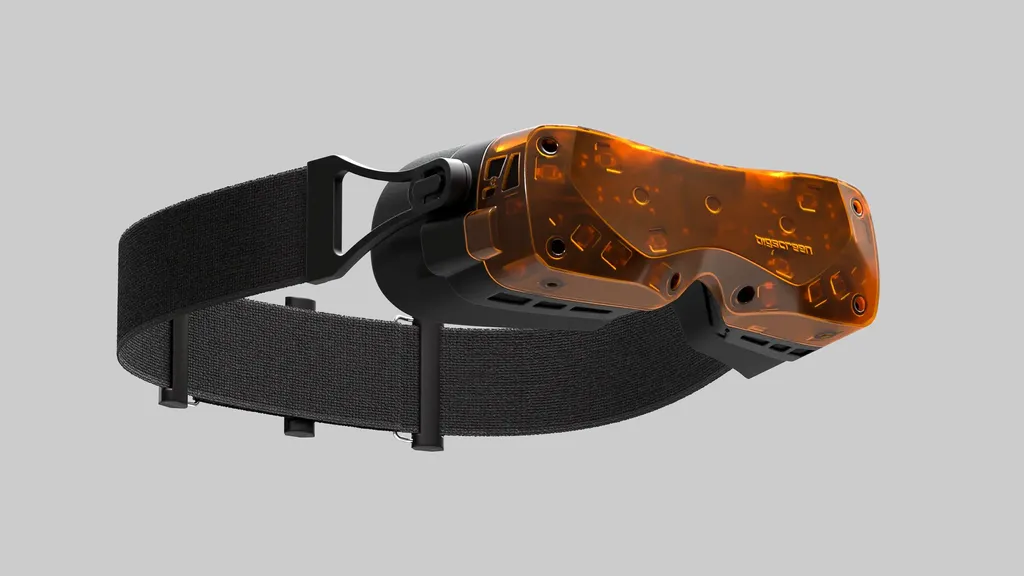
File: bigscreen beyond 2.png (306.5 KB)
306.5 KB PNG
about to splurge, talk me down /g/
225 RepliesView Thread
 Showing all 225 replies.
>>
>>
>>
>>
>>
>>
>>108031005
>>108031050
it really isn't worth it
i don't understand how people can stumble about blindfolded with their dick out
>>
>>108031093
It's debateable... There's a difference between how glare looks on pancake vs fresnel lenses. Pancake glare isn't concentric rings, its a ghostly smear of whatever is being displayed on the opposite side of the lens.
https://www.youtube.com/watch?v=haHpDNjHqmc
>>
>>108031111
I used the Pico 4 with a few VR porn videos and yeah, once the model gets close enough there's nothing to see. Your eyes are way too close. There's no tactile feedback there. What are you supposed to grab on, oxygen?
>>
>>
>>
File: glten7t43gbc1.jpg (123.6 KB)
123.6 KB JPG
>>108031223
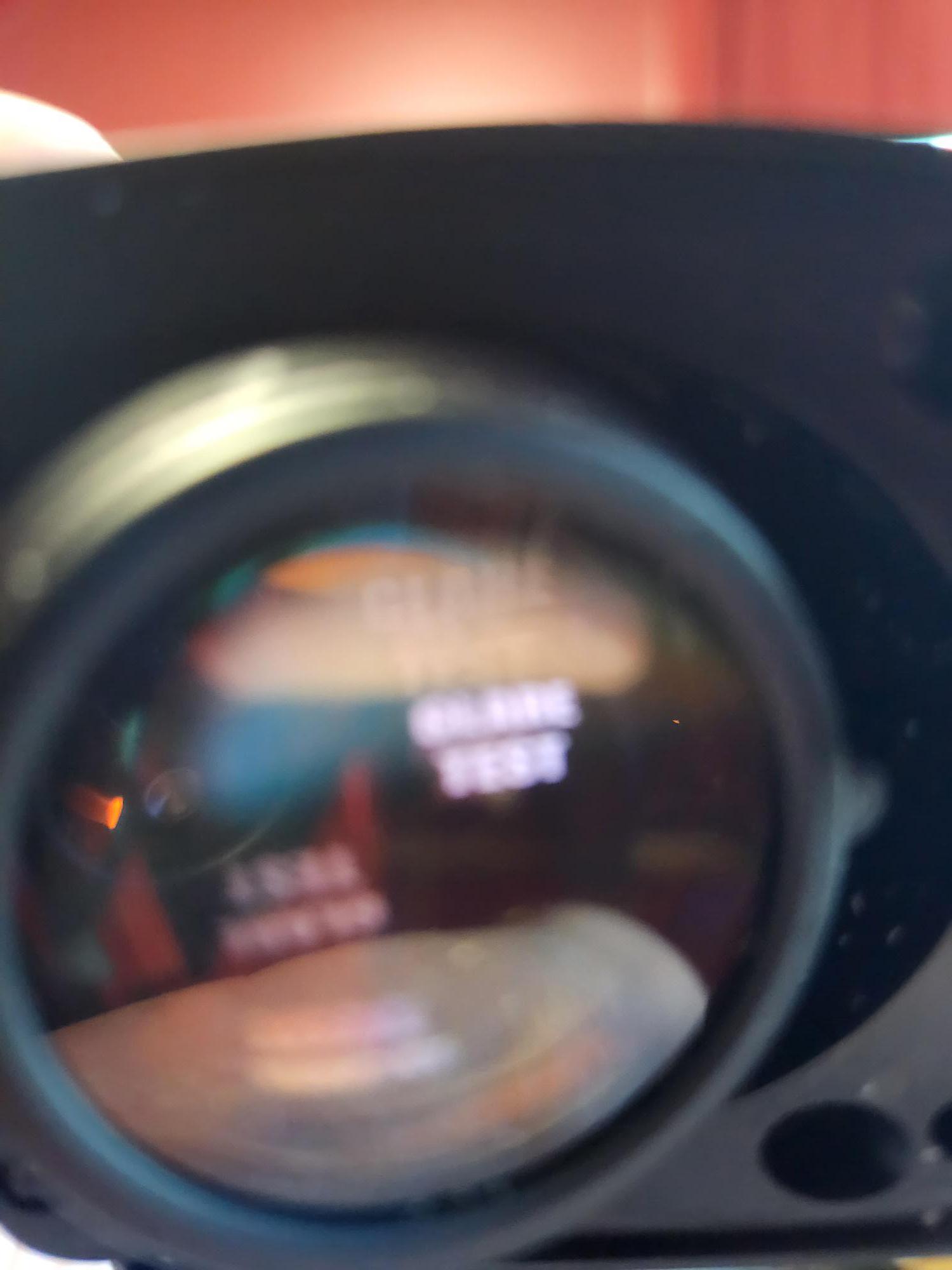
It's more that with pancakes the whole image gets bounced back and forth within the lens and you get a faint version of it that's mirrored horizontally and vertically. It's normally only noticeable if you're looking at the lens from very far away (like in pic related). When your eye is up close, the ghost image is so smeared and out of focus that you don't notice it at all unless there is something very bright that sticks out. So if you have a bright object in the top right corner, you will see a mirrored blob of it in the lower left corner of your vision. This is true for all pancake optics, but is less noticeable on the Pico and Quest3 because both the panels and lenses are bigger
>>
>>108031317
So there's no avoiding glare, no matter which headset I'd get right? I choose this one because it's very light, and my index is starting to strain my neck for extended sessions playing Elite:Dangerous for example.
>>
File: 1747759592124933.gif (3.5 MB)

3.5 MB GIF
>>108030992
>~1400$ for headset + tracking stations
>no computer, just a display - fully reliant on a pc
its just not worth it bro
get a quest 3 or wait for steam frame. the only one id recommand a bigscreen 2 is someone who already has a headset , a strong gaming pc and too much money
>>
>>
>>108031388
>So there's no avoiding glare, no matter which headset I'd get right?
Aspheric lenses have no glare, but they have color-fringing at the edges and a distinct "fishbowl effect" that the software distortion correction doesn't always get right. Some people get sick from the warping and would rather have glare instead, so with VR it;s always "pick your poison". Also aspheric headsets are very bulky (pimax crystal, varjo aero)
>I choose this one because it's very light, and my index is starting to strain my neck for extended sessions playing Elite:Dangerous for example.
It's a valid option if that's your main priority. They say the Steam Frame will be very light and comfortable to wear and have less glare, but the resolution and colors will be worse than the Bigscreen. Who knows when/if that's coming out either. Pimax is rolling out the Dream Air which has Apple Vision Pro style screens and lenses, but it's way too expensive for what it is.
The takeaway here is... expect varying degrees of disappointment no matter what you pick is. There will be improvements over your index, but also some unexpected negatives like for example the Bigscreen Beyond needing a separate audio strap or the overheating issues
>>
>>108031561
I have ordered a pair of IEMs that can be worn comfortably while laying on your side, but I haven't heard of the overheating issue.
Is there a fan mount for the beyond like there is for the index, or does it just periodically shut down in order not to cook itself?
>>
>>
>>108031624
The Beyond has a fan inside, but it's too small to effectively cool the two displays. It does a thing where after you close steamvr the fan keeps going in order to continue cooling the displays and not let the residual heat cook the headset. They really should've had two fans in there for each display's heatsink, but their "every gram matters™" philosophy resulted in what we have now. There's no room to put extra cooling on it.
>>
>>
>>
>>108030992
>>108031093
If you have an index it's at least worth considering, if you don't have an index the cost of the base stations and controllers and the base stations being mechanical parts failure timebombs makes it not worth it.
Let's compare to the steam frame. BSB doesn't have that many advantages.
The BSB is higher resolution but it can only do the full resolution at 75hz, at 90hz the resolution is like frame/quest, I forgot the numbers. So the real advantage is oled true blacks, but I've also heard the display is dim so the contrast isn't great. It probably has worse FOV, and we're still at the FOV range where +-10 degrees is a significant differences.
It's lighter weight than the steam frame, but I really think steam frame will be light enough that there's no resistance in putting it on and no urge to take it off. You know what would be better on the BSB? Moment of inertia so you don't feel the headset's weight when you swing your head. This is great for active games like blade and sorcery or superhot VR, but the problem is the headset is wired. Wired sucks dick for standing VR. If you only sit down or play sims, and I mean you actually do that and you're not just avoiding standing games because of the wire, then BSB is better there.
You have to pay for sound with the BSB which is just some koss portapros on a headstrap right? I've tried valve audio on a G2 and the off ear just works so much better. But we don't know how good frame's stock audio is with the speakers in the facial interface. BSB probably wins here if you do that mod to use index speakers on the BSB, though I don't know if that works with no issues.
BSB has no portability so it can't double as a handheld on your face. It's also stuck in your base station room forever.
There's no passthrough, so it's not even a half viable desktop headset in 75hz mode.
Are you looking at BSBe? Do they know how well the eye tracking works against frame?
>>
>>108030992
theres other more expensive options coming soon if you really want to splurge for 4k uOLED wired instead
ie Pimax Dream Air or if you're fine with community fixes the MeganeX 8k Mk2
Beyond is one of the rare modern HMDs that works fine on Linux so if that matters to you then there's that, though there's a DSC issue likely from it misreporting its capabilities since it does that for its eyetracking cams and makes v4l angry without a patch as well
t. own ~13 VR HMDs
>>
>>
>>108031913
>t. own ~13 VR HMDs
How does this happen btw? I've noticed people have 1 VR headset or they have over 10 and it's a bathtub curve distribution. And a lot of the people with a ton of headsets aren't developers or VR youtubers or anything.
>>
>>
>>108031983
>How does this happen btw?
I started with a Rift DK1 in 2013 or so after the kickstarter ended
I am a VR hardware enthusiast, sadly the software is severely lacking on almost all fronts (drivers, games, etc.)
have thought about shitting my thoughts on devices into the void that is the internet at times but have mostly only done so through text
>>
>>
>>
>>
>>108031983
There's two scenarios:
-You get one headset, go "meh" and put it in the closet. Maybe post on 4chan about what a waste of time and money it is.
-You get one, go "this is great but X downside is bugging me", you start looking into better/newer stuff trying to chase the dragon. It could be lenses, tracking, screendoor effect, weight, eyetracking, body tracking, doesn't matter. There's always new stuff offering to improve the experience in one way or another and there is no way to know if it's worth it unless you try it. So you end up with 10+ headsets and only one that gets used regularly because it has the right blend of compromises you are personally willing to put up with.
Also VR hardware ages like milk - stuff ends up on ebay with heavy discounts after a year or two because the deep-pocketed enthusiast who bought it already moved on to something else and wants to get some of their money back. It's not a good investment like a GPU where you pay 1000-2000$, but get enjoyment for years to come
>>
File: 4i6nxxhz2k961.png (1.7 MB)

1.7 MB PNG
>>108032468
>>
>>
>>108030992
Are you sure you actually want the tethered experience? For me the biggest use case ended up being exercise games, and doing them while tethered would suck.
Unless you're a sim racing fag, you probably don't want a tethered headset
>>
File: 1656008360759.jpg (27.1 KB)

27.1 KB JPG
>>108030992
My Oculus GO is all I need for porn.
>>
>>
>>
>>
>>
>>
As someone who bought this, I think you'll be happier with a steam frame even if the image/fps/fov/weight or what ever isn't quite as good.
I regret getting it since with the base stations, I can't easily go from my desk to my couch with it. And of course the cable is annoying.
>>
>>
File: img.png (160.4 KB)

160.4 KB PNG
>>108032456
>vrchat
There are some genuinely insane people on there
>>
>>
>>
File: caveman rock vr headset.jpg (113.3 KB)

113.3 KB JPG
I have one of these, both the original and 2e. I like it. It's exactly as light as advertised and the screen is very crisp and high contrast. I haven't ever wanted to go back to the index even if it has higher refresh rate. Too heavy.
Like others say it's a bad first headset though. Get a quest 3s first (or wait 2 more weeks for the frame). Then if end up up liking VR well enough overall and also think that the bigmeme's particular set of tradeoffs is to your liking, then try one out.
>>
>>108031910
Yeah, I'm looking at the eye tracking version hoping that valve will support general foveated rendering on other headsets too thru steamVR. Maybe that'll allow it to push 90hz while only losing resolution in peripheral view.
>>
>>108033207
Supporting foveated rendering isn't a matter of valve supporting it; any headset with eye tracking can do foveated rendering. The GAME has to be reading the eyetracking data and supporting rendering based on eye position. Valve has added OpenXR properties that allow the gaze position to be read by the game basically just as an ez value, which helps, but valve can't do any more than lead the horse to water. The games have to drink the water. In some games it'll be easy, in others it'll be hard.
Foveated STREAMING though is just the tech that helps push the video stream from a PC to the headset.
>>
>>108033228
Huh, I thought SteamVR handles the rendering pipeline for the HMD, just general misinfo sorry.
>>108033196
Yeah, I already have 2 lighthouses, looking to yoink 2 more before valve closes store on the index with the release of the frame.
>>
>>108033261
I'd say the bigmeme 2 is worth trying then. Disregarding anything else about the actual hardware, their support is responsive and accommodating about returns and RMAs, unlike the chinks running pimax or pico or shitfall or whatever. As you probably know, you pretty much have to try a headset in person to decide whether e.g. the glare is bearable or not, or the fov/clarity is, or whether the weight/strap is actually nice enough to matter. If you're lucky and it does work out, it is comfy. And if not, send it back.
>>
>>
>>
>>
>>
>>
>>
>>108033438
Zuckerberg literally bought the studios to not make games. I'm not even kidding, these devs would either make a game or be nearly done making a game, but because that game wasn't Quest exclusive, Meta would offer the studio a deal where they'd buy the studio for a lot of money in exchange for quest store exclusivity or some other kind of horrific deal where the studio is now owned by meta. And so they were then brought into the wasteland that was Meta and paid to do as little work as possible just so they wouldn't be making games for other platforms.
>>
>>108033368
The fact Valve put oldass hardware in their latest thing doesn't mean nothing happened in VR in the past 4 years... Since 2022 we've had the Pimax Crystal, Super and microOLED versions, Apple Vision Pro, Samsung Galaxy XR, Bigscreen Beyond, Meganex Superlight, Varjo Aero and XR3, XR4, the list goes on...
>>108033228
And guess what, Steam Frame isn't fast enough to do foveated rendering while streaming from PC - that's why they only use the eyetracking for helping with the stream encoding and to do foveated rendering on native standalone apps. It's not like there's any games on PC that support it outside of 2-3 flightsimulators anyway
>>
>>108033556
>Steam Frame isn't fast enough to do foveated rendering while streaming from PC
Anon please read the words you write and look them up so you know what you're saying. Foveated rendering reduces the render requirements since the GPU renders less pixels. Saying something is too weak for foveated rendering is absolute nonsense.
Did you mean 'too weak even with foveated rendering'?
>>
>>
>>108033571
Anon please read the words you write and look them up so you know what you're saying. By "not fast enough" i mean that the latency between your eye moving and that data making it to the PC for the frame to be rendered appropriately, then doing the roundtrip back to the headset is too high. That's why they're rendering full resolution to the dongle and then letting the dongle compress the video more/less where needed since the latency between the dongle and headset is a lot smaller. There is no problem doing foveated rendering for native ARM apps on-headset as i mentioned, and that will probably be the most common case where it is implemented
>>
>>108033646
>i mean that the latency between your eye moving and that data making it to the PC for the frame to be rendered appropriately, then doing the roundtrip back to the headset is too high
That also applies to the 6dof position of the headset too, because that gets delivered for the game to render the location of the player cameras.
Stop before you embarrass yourself further.
>>
>>108033207
foveated rendering for PCVR looks like it's still in a shitter. The guy who developed virtual desktop said that wireless VR is too high latency to do foveated rendering even though foveated streaming works. Wired headsets are on the path to become niche especially because foveated streaming closes the image quality gap with a wired connection. So normally this would be an edge for the bigscreen to be both eyetracked and wired for lower latency, so foveated rendering would work, but what games are going to implement it if wired headsets are rare? Seems like we won't have foveated rendering for PCVR until they solve the wireless latency problem. Standalone games would use it for now.
>>
>>108031005
>>108031050
vr porn is worth it.
>>
>>108033646
>i mean that the latency between your eye moving and that data making it to the PC for the frame to be rendered appropriately, then doing the roundtrip back to the headset is too high
This doesn't sound plausible since the very same logic applies to the headset & controller tracking information. That also has to go from the headset to the PC where it's used to render a frame that's then sent back to the headset. It's all the same, I don't see why information about eye position couldn't go along with the positional information.
>That's why they're rendering full resolution to the dongle and then letting the dongle compress the video
You sure about that? Also doesn't sound plausible. The dongle is just some USB WiFi dongle, isn't it? The headset has 2 2160x2160 screens and goes up to 144Hz. If my math isn't wrong this comes out to over 32Gbps in raw video bandwidth. There is no way they're hitting some USB device with 32Gbps and then compressing that shit locally on the dongle. The vast majority of people don't even have USB ports that fast unless they're used for direct video output and not USB data. Even then those are uncommon on PCs because HDMI and DP are used instead.
Doing video compression on the dongle sounds very unlikely to me.
>>
>>108033681
Not that anon and this is true but the post it's refuting is also true. Wireless has 6dof latency that's worse than wired but it only becomes noticeable and bad for players when its really high. Its easy for humans to ignore movement that's a little bit swimmy, and a lot of games have motion smoothing for guns and what not that add latency. However eyetracked foveated rendering is a whole different ballgame. Your eyes are fast and if they look at a spot and see low resolution mess for even a few milliseconds the benefit is ruined. They can make the foveated area larger so it stays ahead of the eyes, but in the case wireless VR the area has to be so large that the performance gain is lost.
>>
>>108033646
>>108033833
Typically your video card compresses the game image to video with hardware encoding
>>
>>
>>108033791
Broken down the problem looks like this, the game is drawing a frame to ship the user like so
draw the full frame in low resolution -> check eye position -> draw the foveated area in high resolution on top of that -> video encode the full frame in low quality -> check eye position -> video encode the foveated area in high quality and composite that on top -> ship the video frame
The reason foveated steaming works is it doesn't take long to encode video and the eye tracking data is very recent and the video frame will ship soon after. But in the case of foveated rending it takes a long time to render the high resolution image even if it's just for the small foveated area, so the eye tracking data before that is too old to use.
>>
Have people even tried Fixed Foveated Rendering, before shit talking Dynamic Foveated Rendering?
Because even without eye tracking, Fixed Foveated Rendering works just fine on my Pimax Crystal Light. I was skeptical of trying it at first, but I finally ran into enough performance issues with the C-130J in DCS World that I decided to give it a try and... it looks just fine with the appropriate settings? Even flying planes where peripheral vision is really goddamn important to keep track of instruments, the resolution is good enough to pick out the general details like the gauge positions.
It's not absolutely visually seamless, no, if that's what you are after. But if you've worn glasses IRL, it won't be any different than you're used to.
>>
>>108034041
Nobody shit talks DFR. I've had some pimax users pretend it doesn't do much for performance because the pimax implementation isn't the same thing as a game supporting DFR. But everyone knows it works because the PS5 has much VR better performance than you would expect, and it's just common that rendering full quality for 10% of the screen is going to get you a performance benefit.
The problem with FFR is the area has to be really huge so less performance benefit, and we are still looking through toiler paper roll FOV headsets so only the center of the toilet paper roll looking perfect isn't something I want. If you had a weak GPU and you like it more than turning the graphics down go ahead, the the case of simulators that makes a lot of sense because you need max resolution to read gauges but that might bring your PC to a crawl with FFR. Other people take edge to edge clarity seriously.
>>
>>108031388
I don't know but I had a one-to-one comparison because I replaced the fresnel lenses on my old Vive (the original one) and the difference was night and day. That was even with some barreling because they weren't totally calibrated for the new lenses. I likely wouldn't even have bought an Index if I knew beforehand that they had fresnels, but I didn't do my DD on it. I guess because it didn't even occur to me that valve would use them in their headset.
>>
>>
>>
>>
>>108031910
>display is dim so the contrast isn't great
A dim screen can have loads of contrast.
Contrast is how many times the maximum brightness is brighter than the minimum brightness.
OLED has a close to zero minimum brightness so even if the maximum brightness isn't very high it's still many times brighter than it's minimum brightness.
I have a Meganex Superlight 8K which is also considered "dim".
But I wouldn't even list it's brightness (or lack thereof) in the top 10 of it's shortcomings.
And it's contrast is actually a strong point.
>>
>>
>>
>>
>>108034808
an LCD without local dimming is less than 1 nit when displaying the color black, it feels like more than that because it's extremely obvious in dark scenes, but it's not. Probably because our eyes have variable exposure. I couldn't find any numbers for the BSB, but most VR headsets shoot for 100nits after passing through the lens. Mathematically, an oled that does 0 nits for black and 98 nits for white has less contrast than an LCD with 1 nit for black and 100 nits for white. Now If the numbers are that close, I'm choosing the oled so dark scenes don't look like shit. And when it's that close to its unfair to say the LCD has better contrast. But is the BSB 80 nits? 90? 95 Eventually stuff gets so dim that it can't convincingly display white in the same way LCDs can't convincingly display black. And it's also dumb to say it has loads of contrast, yeah in dark scenes. In daylight scenes you're like what is this trash. You would probably call that display out looking at a campfire and it looks like bullshit because its distractingly dim.
>>
>>
File: bngrj.jpg (4.5 KB)

4.5 KB JPG
>>108034617
I hate when you meet someone who seems cool at first, but then they slowly reveal the extent of their delusions. Like, you couldn't just BE cool?...
>>
File: 1676490826042655.jpg (62.9 KB)

62.9 KB JPG
>>108030992
>vr for the porn
at that point just get a sexdoll and throw it away once you get tired of nutting in/on it. VR is nice but not worth the money or the hassle and movies dont work half the time
>>
>>
>>108031005
biggest nut i ever did was some mommy redhead VR pornhub vid
Returned the oculus 3 days later. It sucked for everything else, too big and heavy, shitty quality screen. I'd consider it once headsets have 4k.
>>
>>
>>
>>108035649
>Mathematically, an oled that does 0 nits for black and 98 nits for white has less contrast than an LCD with 1 nit for black and 100 nits for white.
That is wrong.
Mathematically you have to DIVIDE not subtract.
Your LCD would have a contrast of 100/1 = 100:1 and the OLED 98/0 = "infinite:1".
0 nit is impossible though and Sony for example claims a contrast of "100,000:1" for their AR/VR OLED displays https://www.sony-semicon.com/en/products/microdisplay/oled.html
>>
>>
>>108036761
Well I agree it's wrong in that you can measure contrast but up to a point it becomes a subjective value judgement. And before that it depends on the overall brightness of the content and how dilated your eyes are.
But contrast ratio doesn't work to tell you anything useful just because of what you just demonstrated. I could have a magic incredibly dim display where RGB 0 0 0 black is a perfect 0 nits, and RGB 255 255 255 white displays 10 nits that is basically light black in practice, and I have "infinite contrast ratio" so it sounds good. Or it's not a magic display and the black isn't exactly zero nits, so its some decimal point and I use numbers like 100,000:1. The reality? There is about 10 nits of difference between the darkest and brightest pixel of this imaginary display. And 100,000:1 and 100.000.000 aren't equally shit but it's really close. The numbers would suggest one is 1000x times better because you added 3 zeros which is complete horseshit. They arrived at this scheme so you would have poor number sense and waste money on small differences.
It's been explained, these small differences between 0 and 1 are only visible during dark scenes. And it takes a bigger differences in the white point before the viewer is dissatisfied. Here's what I mean by subjective. Let's say we have a display thats 1/2 a nit at black and 90 nits at white. Would you trade 1/10 nit of darkness at the black point for 10 nits of brightness at the white point? What math can we do to decide if this is a good trade? It probably depends on what scene you're looking at too.
>>
>>108036878
Loads of people have tested both LCD and OLED headsets.
And every single one of them notes contrast as a STRONGPOINT of OLED.
You are the only person I've ever head claim OLED headsets have poor contrast, and all based on your own flawed math it seems.
I have tried several LCD and one OLED headset and the OLED absolutely blows the living shit out of the LCD headsets when it comes to contrast.
Not even a competition.
>>
>>108036932
They absolutely will have poor contrast in bright scenes if they are dim. When people say they have superior contrast they mean especially in dark scenes. This isn't unique to headsets at all, it's just worse on headsets for different reasons. Dark environments envelop you so the black point being grey ruins everything, but VR headsets also shoot for 100 nits which is basic bitch SDR so losing 10-20 nits off that is also a tragedy in bright scenes. VR isn't your 300 nit monitor where losing 20 nits makes it 280 nits and it basically looks the same. Also adding and subtracting a linear scale isn't "flawed math".
It's really none of my business if you've seen a dim OLED headset or not. Unless it's a new microoled headset you've seen oled through fresnel which allows a lot more light to pass than pancake and it passes over 100 nits easily. This is how the PSVR2 can do HDR if you crank the persistence up. But when people call the BSB "dim" I know what to expect and that means poor contrast in bright scenes.
>>
>>
>>108036991
That's not how it works.
Bright scenes are just less bright on OLED. -that is a real disadvantage but not as huge of a deal as people sometimes make it out to be because your eyes adjust and it's bright enough.
Bright scenes always have MORE contrast than dark scenes because the blacks are always the same but the maximum brightness differs from scene to scene.
LCD's have meh contrast in bright scenes and shit contrast in dark scenes.
OLED's have fantastic contrast in bright scenes and good contrast in dark scenes.
>>
>>
>>108037057
>Bright scenes are just less bright on OLED
This is a loss of contrast. That is how it works. Yes your eyes do adjust to white point in a way you never adjust to black point, and this why people didn't notice that 100 nits SDR was a long, long ways away from realism until monitors, TVs, and phone displays got even brighter. I would like to be you because it's better to be ignorant about brightness than have experience with it. Black point is a big deal in VR for everyone because when you're in a pitch black scene the areas outside your peripheral vision are perfectly black and providing a reference. But if there was an equivalent situation where you could see a portion of the display that's 20, 50, 100, or whatever nits brighter it would expose how important it is. It has diminishing returns as it goes up. Around 100 nits any brightness is a big deal. 600 looks significantly better than 300, But 5000 nits compared to 10,000 you wouldn't give a shit and it's bright enough. I have a OLED monitor that hits 600 nits on a portion of screen. When I watch the same video on my 100 nit VR headset it is completely depressing. SDR isn't a e-ink display or anything but I notice how inadequate it is.
>Bright scenes always have MORE contrast than dark scenes because the blacks are always the same but the maximum brightness differs from scene to scene.
>LCD's have meh contrast in bright scenes and shit contrast in dark scenes.
>OLED's have fantastic contrast in bright scenes and good contrast in dark scenes.
I thought you understood then you got flatly wrong. The contrast advantage for OLED comes from the darkness of near black pixels. That isn't noticeable in bright scenes at all. If you're in a well lit interior or sunlit scene in VR you're not going to notice the difference between black pixels and near black pixels. And the OLED has worse brightness, therefore worse contrast because black point doesn't matter there.
>>
>>
>>
>>
>>
https://www.youtube.com/watch?v=OTUHwUa2QeA
But honestly, the problem with wired VR is that Displayport has not caught up. We need the steam's foveated compression algorithm put inside of the displayport spec so that we can get 8k per eye streaming at 144hz with longer cables and weaker GPU's, and even if the spec implemented it right now (optional add on that only specific GPU's and VR headsets support), it would probably take 2 years before it appears in a real product.
So the steam frame is actually state of the art in terms of PCVR, even though it's probably not the most ideal for PCVR (I hope that usb4 port supports DP alt mode so we get a better wired experience than the quest cable which has no advantage over wireless due to it still doing encoding / decoding so you still get compression artifacts since it's not lossless).
I would probably wait, the dream for the steam frame is for every single Meta game to move to the steam frame (+ piracy), but we will have to wait and see.
>>
Do you really want to pay $1K+ to play a bunch of glorified tech demos? Because this is more or less what PCVR has been for the past 10 years or so except the tech demos just get a little fancier every year. It's been almost 6 years since Half Life Alyx and it's still one of select few real VR games on the market.
It's the best thing you can buy if you're really into simulators, but besides that it reminds me of motion controls in the sense that it sounds really cool on paper and you might be able to think of a bunch of interesting ways it could be applied, but in practice it's surprisingly underwhelming and the novelty wears off pretty quick. I can't speak on VR porn, never tried it.
>>
>>
>>
>>
>>
>>108030992
The Beyond 2 is a great headset with a lot of compromises. I wouldn't recommend it unless you're already a big VR enthusiast.
If you're asking about trying VR, the answer is to buy a >Quest, a Pico, or wait for a Steam Frame.
I've got my Beyond rigged up with an Index headstrap and speakers. It's pretty great. I use it primarily to watch shit with friends in VRChat.
>>
>>
>>108037849
You can just unscrew it. iFixit has guides. Mounting the headstrap is easy, just needs some 3d printed adapters. Wiring and driving the speakers requires a bit more knowhow. I ended up just going with the Beyondex kit for adapters and DAC.
https://shop.fluid.so
Different kits for different amounts of DIY.
>>
>>
File: 1755371382677602.png (7.4 KB)

7.4 KB PNG
>>108037274
damn
>>
>>
>>
>>108037495
>So the steam frame is actually state of the art in terms of PCVR, even though it's probably not the most ideal for PCVR (I hope that usb4 port supports DP alt mode so we get a better wired experience than the quest cable which has no advantage over wireless due to it still doing encoding / decoding so you still get compression artifacts since it's not lossless).
frame has a single usb2 port
>>
>>
>>
>>
>>
>>108039172
>video needs to be compressed by gpu
>sent over bus to cpu
>sent to router
>packets routed
>encoded and turned into radio waves
>received by radio on headset
>signal decoded
>video decoded
cable:
>raw video delivered straight from the gpu
these are not even remotely comparable
>>
>>
>>108039302
>video needs to be compressed by gpu
>sent over bus to cpu
>sent to router
>packets routed
>encoded and turned into radio waves
>received by radio on headset
>signal decoded
>video decoded
who cares it all this can happen within 90fps timeframe, Carmack said that sending an internet packet is faster than motion to photon
>>
>>108039302
Displayport also has latency in its stack by the way. An uncompressed frame is HUGE and there's actually a decent chunk of processing time. That said, the processing time is still lower than the wireless stack.
That said again; What if you could get that entire wireless stack to a reasonable latency? As in; almost wired latency.
>>
>>
>>108039748
>What if you could get that entire wireless stack to a reasonable latency? As in; almost wired latency.
obviously that'd be superior if you can do it at bitrates that aren't eyesores. i'm looking forward to trying out the foveated streaming but i'm not holding my breath given that fixed foveation also bothers me even when i'm looking dead center
>>
>>108037555
"The novelty wears off quickly" applies just as well to the porno.
VR is an unfortunate case because I really enjoy the tech when it's put to good use. What it really excels at is cockpit simulators (so like car driving, airplane piloting, tank operating etc) but there are surprisingly very few games purpose built for that. But there's a mismatch between how many customers there are and how much effort goes into developing for it.
>>
File: 1739253263920388.jpg (448.5 KB)

448.5 KB JPG
>>108038553
https://vr-compare.com/compare?h1=fi93GjQbWAN&h2=0q3goALzg
i'm not sure if this is a serious question
>>
>>108037927
Yes and it's not a problem because you don't need to fix it, but it's still dim. Facial interfaces are dark rooms but they don't remove all differences in brightness levels or else people wouldn't repeatedly tell me the beyond is dim.
>>
>>108039359
My memory suck but I remember another /g/ VR discussion where total end to end wired latency was 40ms or so and wireless added 15-30ms if done well.
>>108039732
The question was does it matter enough to prevent foveated rendering being used with wireless PCVR, which is what I've heard. The game can be running at 120fps but when the frame is finally displayed the detailed foveated region is where your eye was and not where it is now.
>>
>>
>>
>>
>>
>>
>>
>>108041707
I think they didn't do this because microoled makes the headset 1800-2000 dollars and gimps the FOV. Those displays are this transient size that's less than 1.5" and no one will want that in the future. So a headset that size would probably be a one-off. I expect BSB to get bigger the day they order bigger displays.
Even meta after buying the best computer vision experts with infinite money can't get full body tracking to work optically.
>>
>>
>>
>>108042747
i install wivrn-full-git and xrizer-git from the aur and it just werks. gentoo also has an overlay for it. no idea about other distros
this is kept pretty up to date https://lvra.gitlab.io/
>>
>>
>>
>>108030992
>super dim compared to most other hmds
>fully depends on dead technology (base stations and controllers)
>72Hz native panels, 90Hz causes smearing
>lower FoV than Index, Frame or even Quest 3
>less clarity than Quest 3 or Frame
>default headstrap is useless and doesnt even have audio and the optional "premium" one has shit build quality
>requires a cable all the time
You're better off with the Frame
>>
>>
>>
>>108044201
Most of these are valid but requiring a cable all the time is something I want actually. I'm sick of dealing with my Quest 2's battery. My VR headset should work when I want it to. I shouldn't have to plan ahead and charge it before hand.
>>
>>
>>
>>108045243
It comes with a 45W PSU while its TDP is like 12W. Even the Deck with its higher TDP doesn't have such a problem.
Also the whole charging circuit and battery is part of the head strap so if it sucks for some reason, it will be fixed by third party straps.
>>
>>
>>
>>
>>
>>
>>108030992
I'd say it's worth it if you're planning to watch 3D movies in it.
Avatar and Ready Player One look absolutely amazing in VR.
Gaming isn't worth it though, it may look fun but just too annoying to enjoy.
Also, 3D Rule34 >>>>>> real porn
>>
>>
>>
>>108037054
This
It’s a lot better for
>War thunder VR Sim
>Aces of Thunder
>Other flying games
because it doesnt die in 2 hours like a quest and is a lot lighter.
But
>$1200 minimum
>Not including mandatory hardware
is too much of an ask.
>>
>>
>>108048209
are there magnetic lens inserts made of entirely plastic for the purpose of protecting the default lens underneath? have searched all over the internet and have found none, can't believe noone thought of it yet
>>
>>108048088
There are full body trackers that don't use lighthouse, mileage may vary
Lighthouse doesn't do handtracking, that's a computer vision or capacitive sensor thing. Frame doesn't do empty hand tracking with computer vision like quest and a lot of headsets, it still uses index style controller capacative handtracking. I wish it had both, but if it had one or the other I guess I prefer capacative handtracking because you're going to be holding controllers when playing games and it's a gaming headset first and foremost.
And you want inside out slam tracking because you can go to any room, go to your living room couch or your bed, go outside, etc. It's completely portable and frame is a PC on your face that fits in a bag so you would use it anywhere you'd use a tablet, laptop, or handheld. Lighthouses are so limited in comparison that not only are you stuck in the same room but depending on your situation, it may be difficult for lighthouses to overlook a playspace, desk, and bed in the same bedroom unless you spend the money to get 4 of them. They are also expensive and consumed a significant fraction of the index's overall cost. They have high speed spinning parts and will eventually break. It's a commercially dead end technology for a reason.
>>
>>
>>108048140
That's basically the frame. You get a slightly bigger headset than BSB because it needs cameras, a chip, and cooling, but that doesn't add much. What really is contributing to the size difference here is screen and lens size and onboard speakers in the facial interface. BSB is tiny because it has to be, microoled is only 1.5" and you have to use custom face gaskets or halo straps to get a good FOV out of it. Frame's facial interface is detachable and swappable so you can do a more minimal configuration when somebody makes one.
>>
File: 23424234.jpg (278.3 KB)

278.3 KB JPG
>>108048302
forgot my picture
>>
>>
>>
>>
>>
>>
>>
>>108049826
This isn't true. It's just slightly subsidized by meta. Bill of materials for the quest 3 is just $400 in every assessment I've seen. and they lose money on every headset sold because of things like R&D, marketing and cost of doing business. 3x the price of something that's existed to consumers for years is stupid guess both because that's a retarded margin that would be, and because you would sell fuck all headsets compared to just selling them at a reasonable profit. Valve is also trying to increase steam dominance so just selling to a small number of valve drones doesn't make sense. It's going to be $600-$900. My best guess is $750
>>
>>
>>
>>
>>108049988
Now factor in the next sentence after that
Also you're still an idiot. Everyone knows meta overspends on everything and gets very little juice for the squeeze. They have too many employees with big budgets and I see nothing to show for it. Valve's VR hardware team is very small and took a long time and nothing about the headset is novel. Valve sells directly to customers on the already existing steam store. Valve doesn't advertise at the super bowl. They put it out on social media and invite influencers who come for free. You're actually making the case that valve has several cost advantages over meta.
>>
>>
>>
>>
>>
>>
>>108032234
>varifocal lenses
never happening, it's way too much r&d for a shitty solution
holographic displays (either by phase control or multi angle) completely solve that problem and are already in the r&d pipeline
>>
>>
>>
>>
>>
>>108051709
In the patents they are described as thin lense inserts.
>it's expensive
They are going to be optional.
https://patents.google.com/patent/US20250116867A1/en?assignee=%22Valve +Corporation%22&num=100&oq=assignee :%22Valve+Corporation%22&sort=new
>>
>>
>>
File: 1763106000769927.png (85.5 KB)

85.5 KB PNG
>>108051693
>>108051730
the diopter adjustment is nice but considering it's only diopter any astigmatism will still be an issue
the actually interesting thing is indeed this
I still maintain that this is stupidly overengineered compared to holographic displays (which is basically just a lcd not in focus but at infinity)
>>
>>
>>108051797
that's a really dumb patent name then lmao
this is basically holography already since that lcd is used as a phase mask
I'd pay for that, this is insanely interesting tech, much more than just "diopter adjustment" or "varifocal" makes it seem
>>
>>108030992
Are you really using VR enough to justify it? The PSVR2 works with SteamVR now and is significantly cheaper. It uses OLED screens and is pretty good with VRchat. The PSVR2 is my first headset so I don’t have anything to compare it to but I would say I don’t find myself “wanting more.” It’s fine.
>>
>>108051730
Can they use the front nose port to power and control these?
Also a problem I see is you would want extremely accurate eye tracking before you could use something like this. I'm not sure but I think a valve guy said their eyetracking was for foveated streaming and VRchat and not for UI use like apple and samsung
Anyway apple's headset being $3500 and not having varifocal is basically the writing on the wall to not think about this until it miraculously happens. But then again you look at the weight of that piece of shit and the retarded decisions with everybody else's headsets and its apparent only valve and bigscreen care about comfort.
It would also look insane though. I think you can't trick the brain into believing spaces are large and distances are long with just binocular cues. Everytime I'm in a field or a large industrial space I know VR doesn't look like this.
>>
>>
>>
>>
>>108034617
Have you been playing over 7 years to this point? If you have, then you added the wrong friends into your game. 2018-19 had a lot of sane people like me running around Publics. Nowadays though Public isn’t the best and Tupper’s idiot runescape days created Group instances. Some of those groups are quite Reddit tier.
>>
>>
>>108051943
>not really
So what happens when you try to look at a small or thin object against a distant background? I'm not saying you need to be able to focus on a chain link fence for the tech to be worth it but as unrealistic as everything being a 6 foot focal plane is, at least it's consistent and not always switching up on you.
>>
>>
>>108048140
A wireless headset needs to have a battery, charging hardware, a wireless card, hardware to track itself, and a processor good enough to decode the video.
At that point, you've basically built a standalone headset.
>>
>>108052904
wait so the way I understood varifocal is you track the eye and you adjust the diopter to match the distance of the thing that's being looked at, and the display can only show one focal plane at a time so it's always switching between them.
It sounds like you're saying it carves up the image in depth slices and then places them on different focal planes. That sounds like magic.
>>
File: 1768861171229639.png (18.4 KB)

18.4 KB PNG
>>108053566
>put object on focal plane of lens
>on the other side, the object is imaged "to infinity"
>however, if you put yourself at a focal distance away, then you're looking at the spatial fourier transform of your object
>in this fourier plane, most information is stored in the phase
>if you put phase masks there you can do a lot of things to the light when it's transformed back (by your eye)
These lenses would roughly be in the fourier plane, and can apply any arbitrary phase mask to the light
very simple usecases are
>varifocal lens where you dynamically defocus the whole display plane to make you eye feel depth (needs depth of field blur)
>prescription correction
However, controlling phase means you can kinda do whatever you want provided you have the compute to solve the inverse problem.
It's not really carving it up into depth slices, but it will try to match the depth as close as it can. This means that a single mask (hologram) is enough for the scene and no eye tracking is needed, just like real life
But how much they can do in this case all depends on
>resolution of the lcd lend
>bit depth of the lcd lens
refresh rate and response times are also important but that also applies to usual varifocals anyway
(i retyped this comment like 5 times kill me)
>>
>>
>>108051730
What is this patent even? Meta has played with mechanically controlled lenses since forever.
I thought the state of the art was stacked lenses with polarized filters you could trigger to select the focal length, ofc it wouldn't smooth like car gears but still much better than current stuff.
>>
>>108054219
>>108054151
>>108054237
Found
https://patents.google.com/patent/US11353767B2/en
>>
>>
>>108054219
>How would that even work
see >>108054151
>are there prototypes
yes, multiple
>light field / multi angle based
https://www.youtube.com/watch?v=oqDZb-_BIvQ
>phase based
https://www.computationalimaging.org/publications/synthetic-aperture-w aveguide-holography/
>How would you even animate interference patterns to get video?
currently the best way is using neural networks
https://www.computationalimaging.org/publications/time-multiplexed-neu ral-holography/
(note that in the videos, when the frame pauses and the focus change, the pattern shown does not change, only the camera focus does)
>>
>>
>>
>>
>>
>>
>>108055084
I only really hear about this because I go to conferences where stuff like this sometimes pops up, so no idea tbdesu
holograms are old stuff ( https://www.youtube.com/watch?v=EmKQsSDlaa4 ), but computer generated holograms are quite recent, I'm kinda surprised it took this long
>>
>>108051730
Ok so how fast does a display panel have to be to emulate a light field? A light field is how many images? and then you need to display all those images once per frame? Somehow I think 144hz definitely is not enough even though I know shit about shit.
>>
>>
>>
>>
>>
>>
File: exotropia.jpg (156.4 KB)

156.4 KB JPG
>>108056620
>Vergence-Accommodation
Are you saying anon looks like picrel?
>>
>>
>>108056288
maybe
your brain sees depth in two ways
>where your two eyes meet
>where your eyes are focused
usually they both match, but with VR they don't because your eyes are looking at a screen 2m away at all time, the depth illusion is only done by having a different image for each eye
for some people that causes issues like headaches and such
this tech would have both
>>
>>
>>
File: file.png (72.8 KB)

72.8 KB PNG
>>108060161
Bigscreen Beyond 2
https://www.bigscreenvr.com
The above comparison is for illustrative purposes and may differ from real-world performance. Actual results may vary. Bigscreen Beyond 2 measured at 116° diagonal, 108° horizontal, 96° vertical. Valve Index measured at 114° diagonal, 110° horizontal, 110° vertical. Meta Quest 3 measured at 110° diagonal, 108° horizontal, 99° vertical. Measured using WIMFOV at minimum eye relief and default accessories.
