Thread #4469575 | Image & Video Expansion | Click to Play

File: 10270645-2048x1530.jpg (436.8 KB)

436.8 KB JPG
Film photography is better due to low sensitivity in dark areas. No one needs to see what is in dark areas most of the time. Just imagine this photo with unnecessary crap in shadows.
73 RepliesView Thread
 Showing all 73 replies.
>>
File: 10270652.jpg (807.3 KB)

807.3 KB JPG
It's light that brings to attention the main focus of the scene. Just expose for bright area to cull off crap that tells no story about the scene.
>>
File: 10270653-2041x2048.jpg (434 KB)

434 KB JPG
Just look how she is well separated against the background
>>
>>
>>
>>
>>
>>
>>
>>
>>
>>
>>4469598
What. No it wouldn't, what the fuck are you smoking. ETTR (so don't clip) and bring the gamma curve down, up the black point. It's a low-contrast shot so that's that. Digital wins again so long as you have the slightest idea of how to process.
None of these photos posted actually have anything a digital camera couldn't replicate somehow except the grain (grain sims are gay).
>>
>>
>>
>>
>>
File: photooo.jpg (578.4 KB)

578.4 KB JPG
>>4469609
Example where? I bet u ave some RAW files you can use for demonstration. Don't you?
>>
>>
>>
>>
>>
>>
>>4469647
yeah, they honestly dont really have a "film vibe" as much as a printed and scanned photo "vibe". you could get a very similiar look by just soft proofing using an icc profile of a somewhat shitty printer/paper
>>
File: Untitled-1.jpg (2.4 MB)

2.4 MB JPG
>>4469613
The scene isn't low contrast, but the blacks are washed out giving it a low contrast look. I think that's what he means.
>>
>>4469647
Film has lower response to shadow and dark regions than digital, and digital goes fuck itself in highlights where film is just fine. Of course you can increase "darkness" of dark in printing (But also in developing). But slide films could produce such dark regions out of the box. Some negative films too. But nowadays you would see that mostly in old black and white formulas like Fomapan.
>>

>>
>>
>>
>>
File: shut up luddite.jpg (17.5 KB)

17.5 KB JPG
Film is great in many ways but this is not one of them.
>>
>>
>>
>>
>>4473613
That's literally what you're saying. Film is not 'less sensitive to areas with less light'. The only way you would make those areas clipped on film is if you massively underexposed. Film has better dynamic range than most digitals, ergo you're a retard.
>>
>>4473620
Yes it has wider range but that range is shifted differently.
Dynamic range is a spectrum and has no limits on both sides other than maybe absolute lack of photons on dark side. Film and digital can register only limited range of that spectrum.
Digital is king in shadows, film blows digital away in strong light. Deal with it.
>>
>>
>>
>>4474103
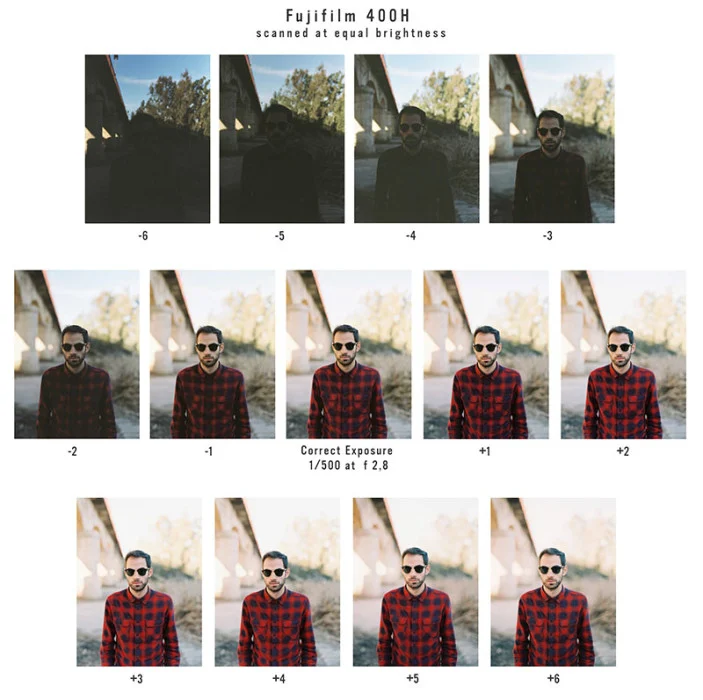
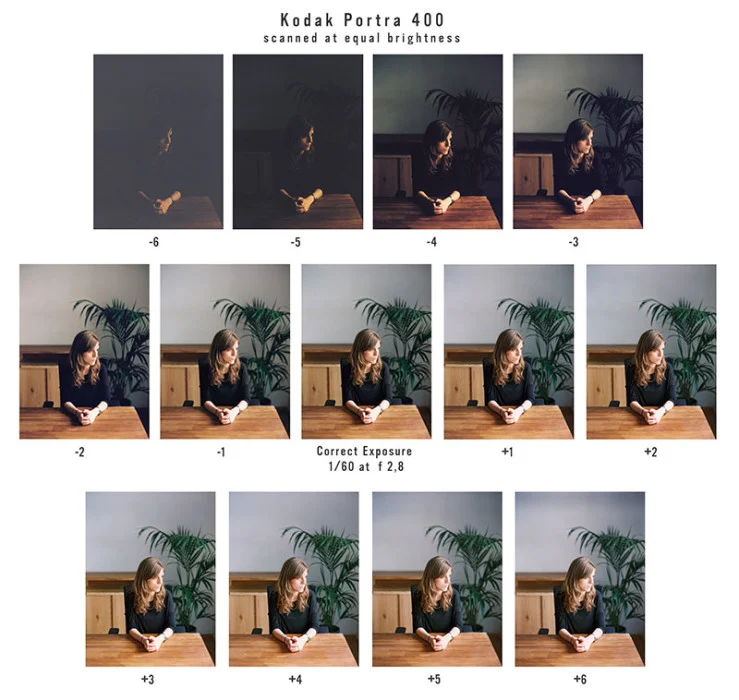
It isn't that film sucks in shadows. You can just use higher iso film, or extend exposure. It is that film can struggle when resolving low contrast detail.
Sometimes the effect can be mitigated, but not always. On the opposite end of that film is great at resolving high contrast details and does not suffer from moire like digital.
Negative film has very high exposure latitude, so a good photographer can expose for shadows, maintain detail in as much of the shadow areas as they want, and still retain highlight detail.
Finally if we are being real you don't often need 100% detail in the shadow areas, and sometimes it looks better without.
>>
File: compiarison1-703x700.png (625.4 KB)
625.4 KB PNG
>>
File: gloria-739x700.png (568.2 KB)
568.2 KB PNG
>>4474112
>>
>>
>>
>>4474157
>>4474156
Well yes sort of, but understanding why "film sux in shadows" is useful while simply stating it is not, and he is not technically correct either. If you want shadow detail in film increase your exposure and if the scene is very high contrast pull your film so you reduce contrast/density. This is not autism, it is one step more advanced than simply exposing your film correctly. Film doesn't have sliders, so you have to get it right in exposure+development or you'll be in a world of hurt when you try making prints.
>>
>>4474111
Film does suck in shadows, exposing for the shadows is compensating for that. You can't recover shadows as well as you could in digital, but you can recover highlights a lot better than digital can. Because while digital clips, film has a softer rolloff.
>>
>>4474169
Correct exposure on film is when expose for the shadows, and correct development is when you develop for the highlights. There is no compensating for anything because film is what it is just like digital is what it is.
>>
>>4474172
Have you even read Ansel Adams, anon?
>I could not find my Weston exposure meter! The situation was desperate: the low sun was trailing the edge of clouds in the west, and shadow would soon dim the white crosses ... I suddenly realized that I knew the luminance of the Moon – 250 cd/ft2. Using the Exposure Formula, I placed this value on Zone VII ... Realizing as I released the shutter that I had an unusual photograph which deserved a duplicate negative, I quickly reversed the film holder, but as I pulled the darkslide, the sunlight passed from the white crosses; I was a few seconds too late! The lone negative suddenly became precious.
>>
>>4474174
He didn't need a light meter because he knew where he wanted to place the moon. Expose for shadows and develop for highlights is the basic idea before you really understand what exposure and development does in relation to producing density/contrast on film, which is then translated onto photographic paper when making a print.
>>
>>
>>
>>
>>4469575
This just isn't true pro film and your average ff digital sensor have prettycomparable dynamic range, it's just film tends to have better lattitude towards over exposure and digital has better latitude towards under exposure so if you use average metering you'll be able to recover better shadow detail on digital, but if you meter for the shadows you can get verycomparable results.
>>
>>4484630
you wrote nonsense in 1st part then you wrote truth
no they are not comparable dynamic range, scenes shot on film film has wider dynamic range in bright light
But I don't blame you, even many people after film /camera operator collage don't understand what dynamic range truly is.
>>
>>
File: DSC08341editSM-1.jpg (864.6 KB)

864.6 KB JPG
Hurrdurrr you can achieve the same thing regardless of format
>>
>>
>>
>>
>>
>>4485142
>Signal to Noise ratio
>for something that has neither a signal or produces noise
Homie I get what you're saying but it sounds retarded when put this way.
Larger film will produce better images through finer grain and better "resolution". Not schizo-tier "film is actually three billion MP of resolution". Higher acutance and better resolving power of optics.
It's why half-frame was never more than a meme unless you were already shooting ISO 50 film in broad daylight (and then it was still pretty shit).
DR of film is a clusterfuck because the stocks themselves have characteristics that put them anywhere between 4 and 15 stops of DR by default, but the developer you use, your method, and your timings all influence this as well. As other anon said if you use low contrast developer you can get more out of your film but I have heavy doubts as to most people specifically going out of the way to squeeze DR out of their shots. I'm sure other filmfags here could do a better job explaining it.
>t. a film schizo
>>
>>4485157
Yes, but you meant resolution and details aka sharpness, I meant stronger signal relative to noise aka "less salt and pepper". But yea all these things get better when we increase size of film sheet that we use.
>>
>>
>>
>>4485330
>No. Resolution (refinement of detail) is related to contrast
No, it's related to smallest unit of information. A smallest subdivision of a storage that is the lowest limit and you can't go below it. Contrast has nothing to do here.
>>
>>
>>
>>4485559
Yeah OP is claiming the lack of shadow detail is good because we normally wouldnt be able to see that much (in well lit scene) so it reflects realtiy in that we tend to ignore less obvious visual information.
Anyway learn to read, you ESL Bangladeshi.
>>
>>
File: 1024x697x2.jpg (647.5 KB)

647.5 KB JPG
Film photos are just pleasing to look at. You can tell when a photo is taken on film.
>>
>>